
Magnesium: The Ultimate Guide
Its benefits, research, and how to get enough.

There’s a 3 in 4 chance you’re low on this nutrient.
It heals fatigue, anxiety, depression, sleep problems, even ADHD.
This is ULTIMATE GUIDE to MAGNESIUM: its incredible benefits & how to get enough.
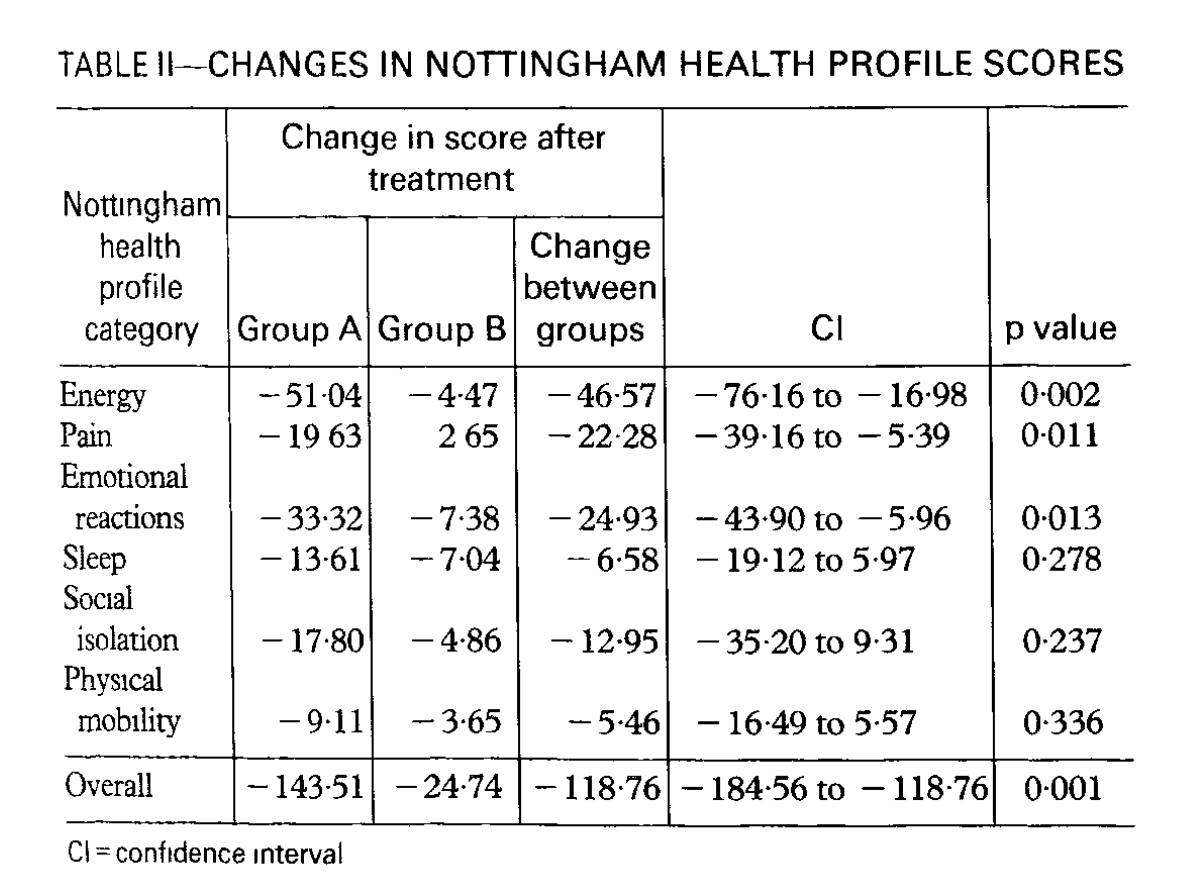
Older clinical trials have shown that magnesium could cut fatigue symptoms in HALF.
People with persistent fatigue have depleted magnesium stores,
but after 6 weeks of magnesium, subjective energy level improves by over 50%.
Magnesium is necessary to form cellular energy in the form of ATP.
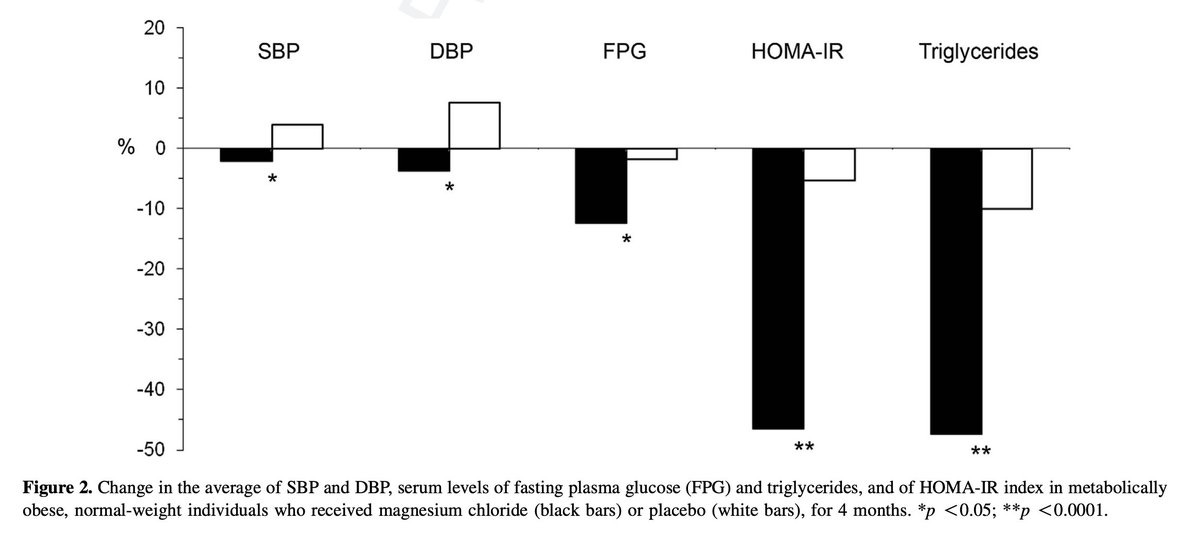
Other trials show magnesium DRAMATICALLY improves insulin resistance.
382 mg of magnesium (as MgCl2) decreases:
• Blood sugar by 25%
• Blood pressure
• Insulin
• Triglycerides by HALF
Not a huge dose - very doable and cheap.
It facilitates the metabolism of glucose in several ways.
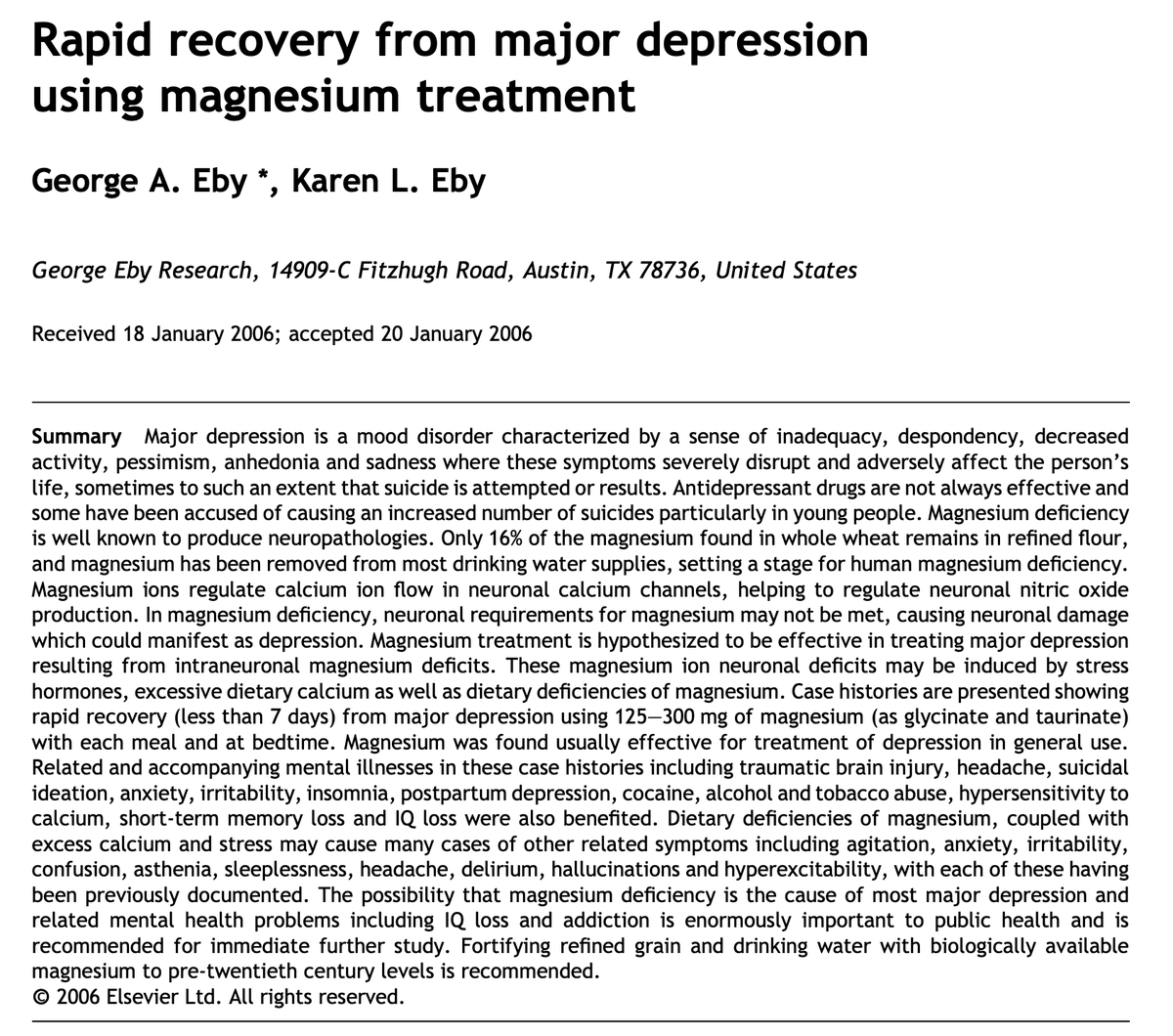
Magnesium in one case series was even shown to reverse major depression within a week.
Very reasonable (125-300 mg) doses of magnesium glycinate or taurinate had this incredible effect.
People with depression often have neurotransmitter imbalances from a lack of magnesium,
acting as a stabilizer in the brain.
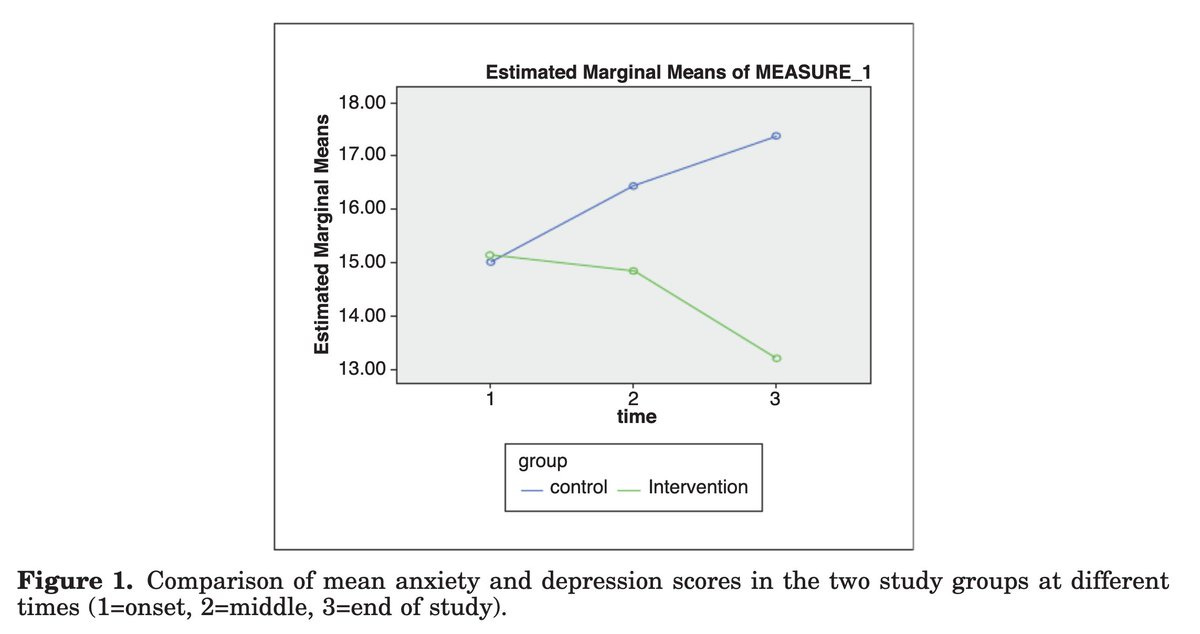
Magnesium improved anxiety + depression within 5 days in this study.
275 mg magnesium reduced anxiety and depression by ~25% following severe stress.
This was using cheap magnesium oxide: an estimated ~4% of that magnesium is absorbed.
Imagine what’s possible with good magnesium!
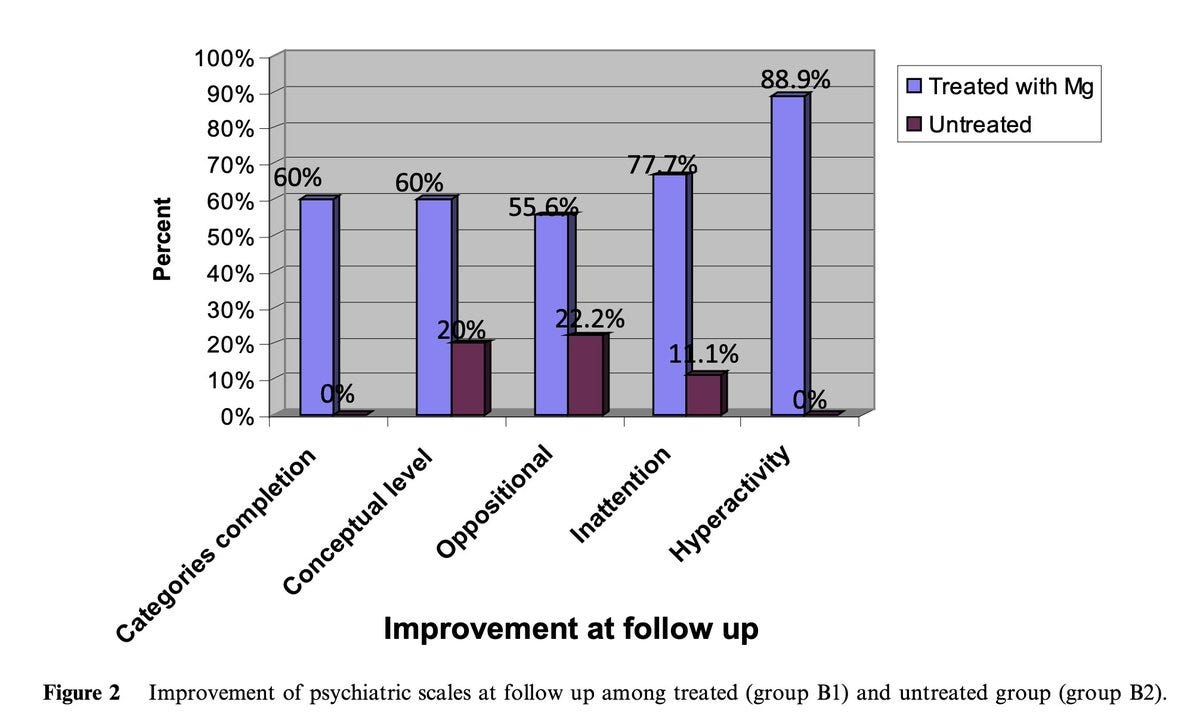
Magnesium is surprisingly therapeutic for ADHD.
Up to 95% of people with ADHD are magnesium deficient,
but 200 mg / day improved:
☆ Inattention by over 75%
☆ Hyperactivity by nearly 90%
Insane.
Meanwhile the drugs they give for ADHD actively deplete magnesium.
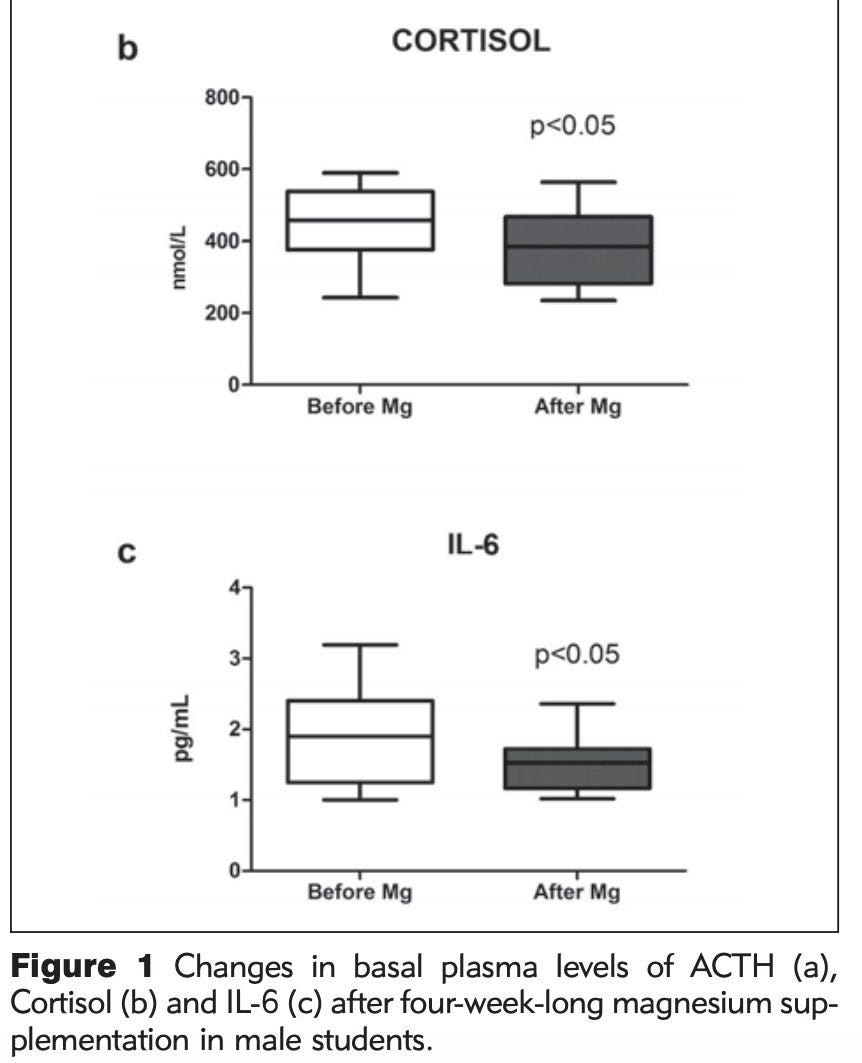
Magnesium powerfully lowers stress & inflammation in multiple studies.
500 mg of magnesium citrate daily substantially lowered:
• Cortisol
• IL-6 (inflammation)
by acting as a calming mineral in the nervous & immune system.
Stress also depletes magnesium, potentially creating a viscous cycle.
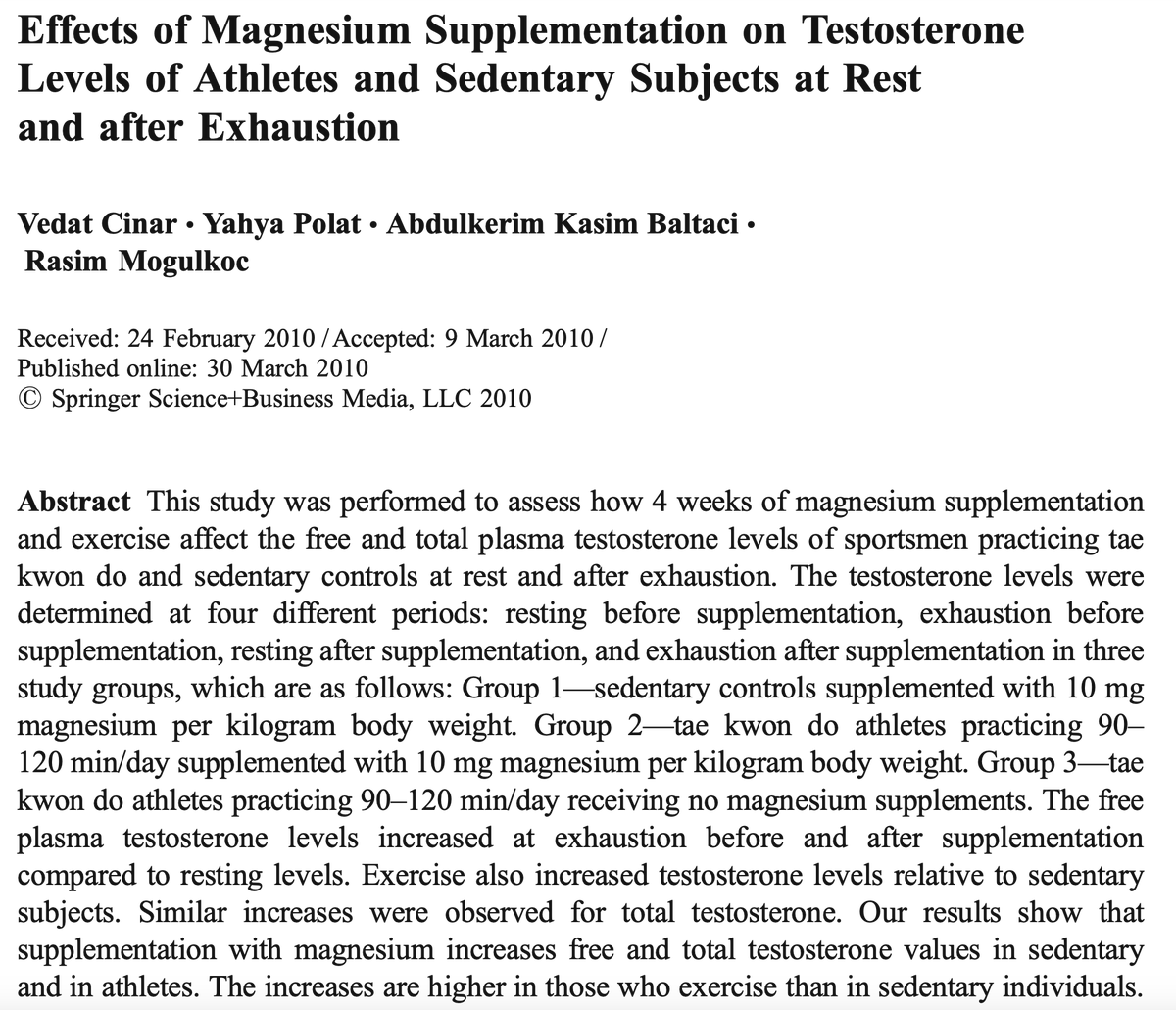
Magnesium supplementation in this paper increased testosterone.
Magnesium is required for multiple processes in energy & steroid metabolism, and supplementing it back can enhance these functions.
Magnesium also reduces stress, which is a surefire way to crush sex hormone status.
Magnesium is huge for sleep, too.
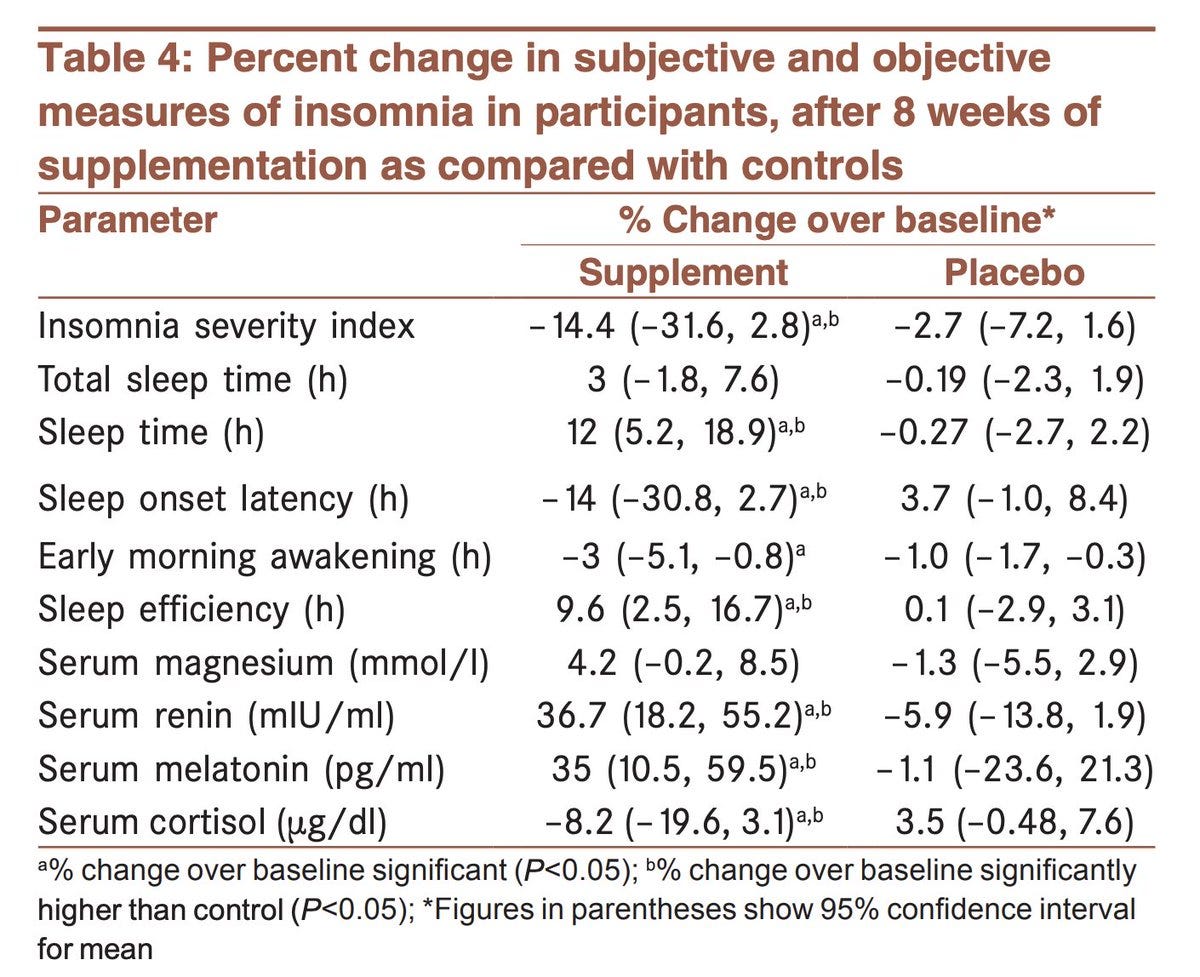
500 mg magnesium per day improved insomnia by ~14%, and increased:
⬩Sleep time
⬩Sleep efficiency
⬩Melatonin
While decreasing:
⬩Time to fall asleep
⬩Cortisol
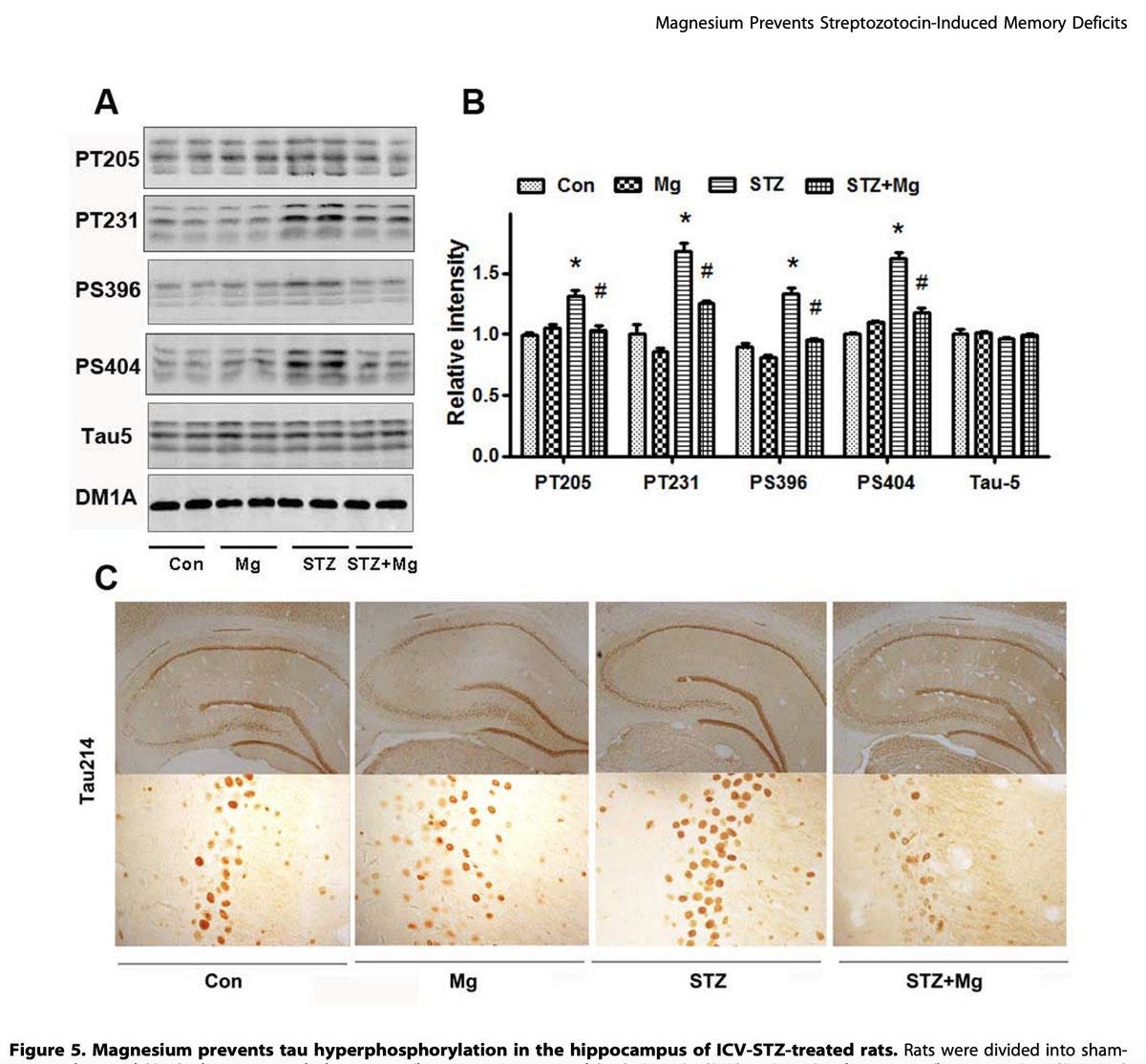
Animal studies show that magnesium prevents the accumulation of Alzheimer’s proteins.
This type of dementia driven by poor glucose metabolism, or insulin resistance, in the brain.
Magnesium was shown to enhance the brain’s glucose storing capacity,
which improves cognitive decline and brain structure in animals.
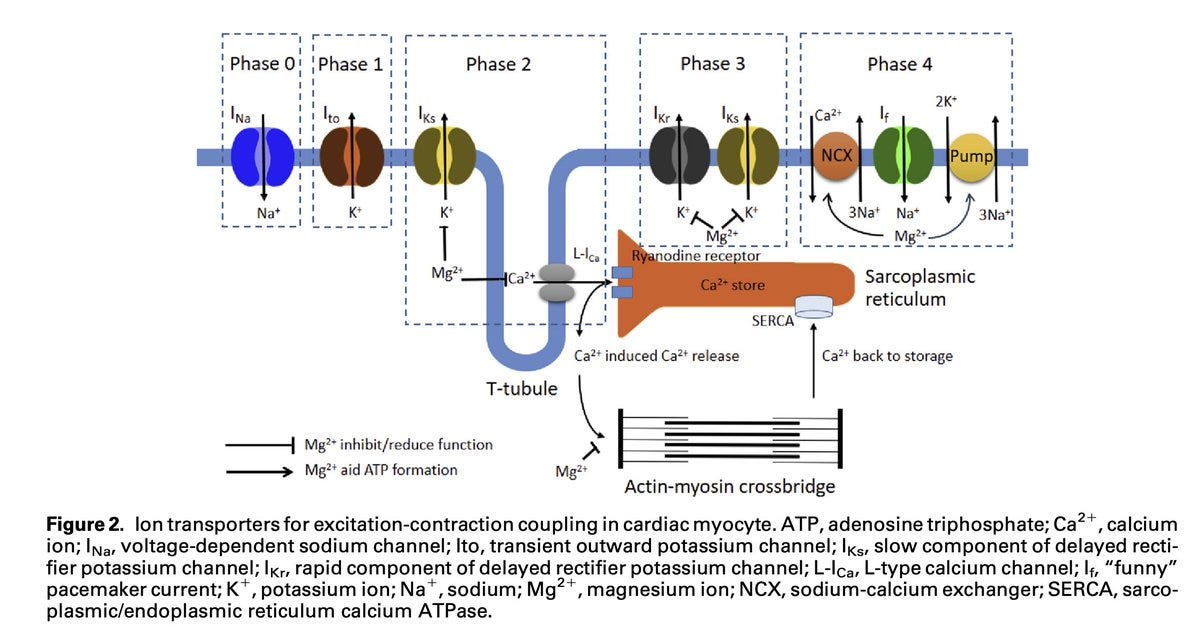
If you ever feel that your heartbeat is noticeable, especially at night, you might benefit from some extra magnesium.
It is often lacking with palpitations/arrhythmias.
It has a calming effect on the contractions of the heart.
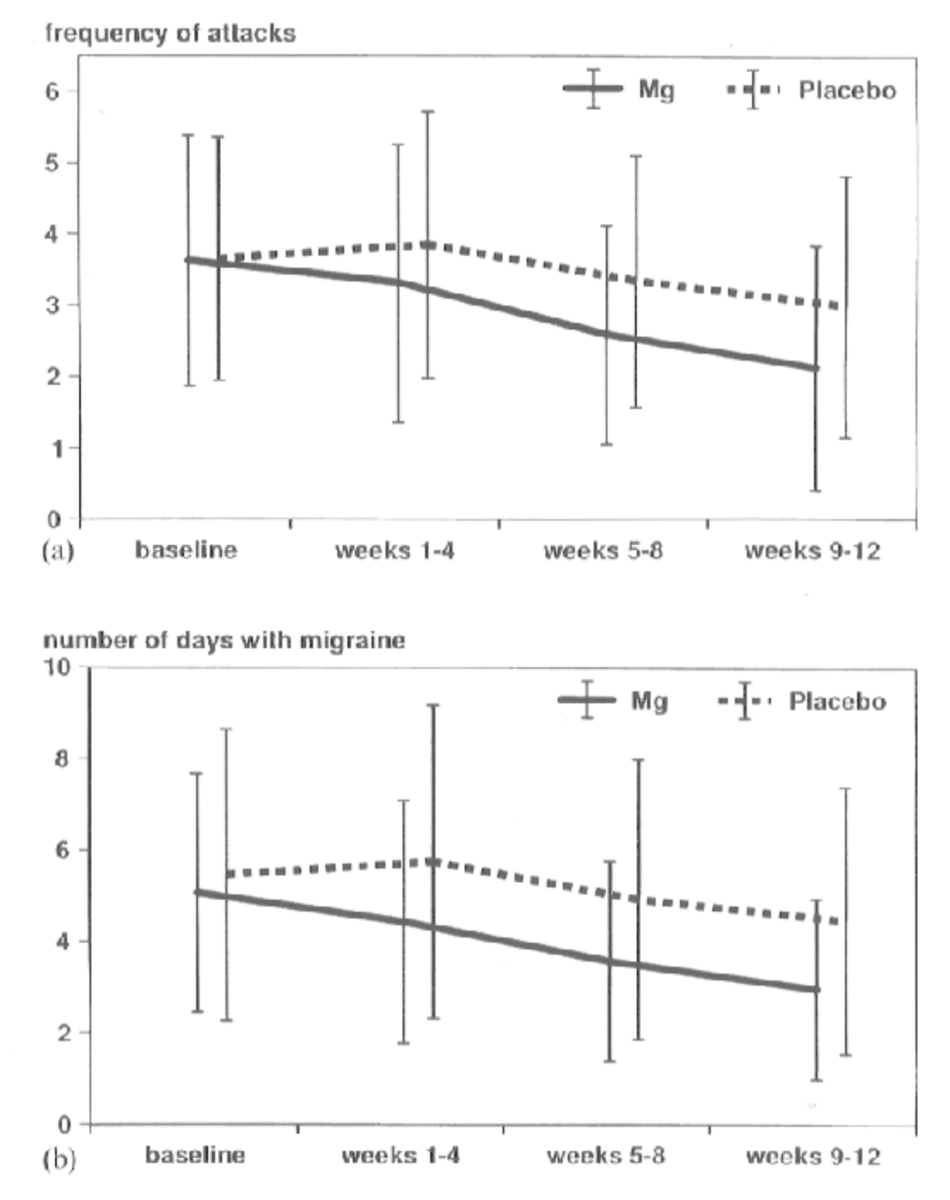
Magnesium is therapeutic for migraines / headaches.
600 mg of magnesium citrate reduces the number of migraine attacks and the number of days experiencing them.
Citrate is a pretty bad form, too, so think about the potential benefits of a more absorbable form!
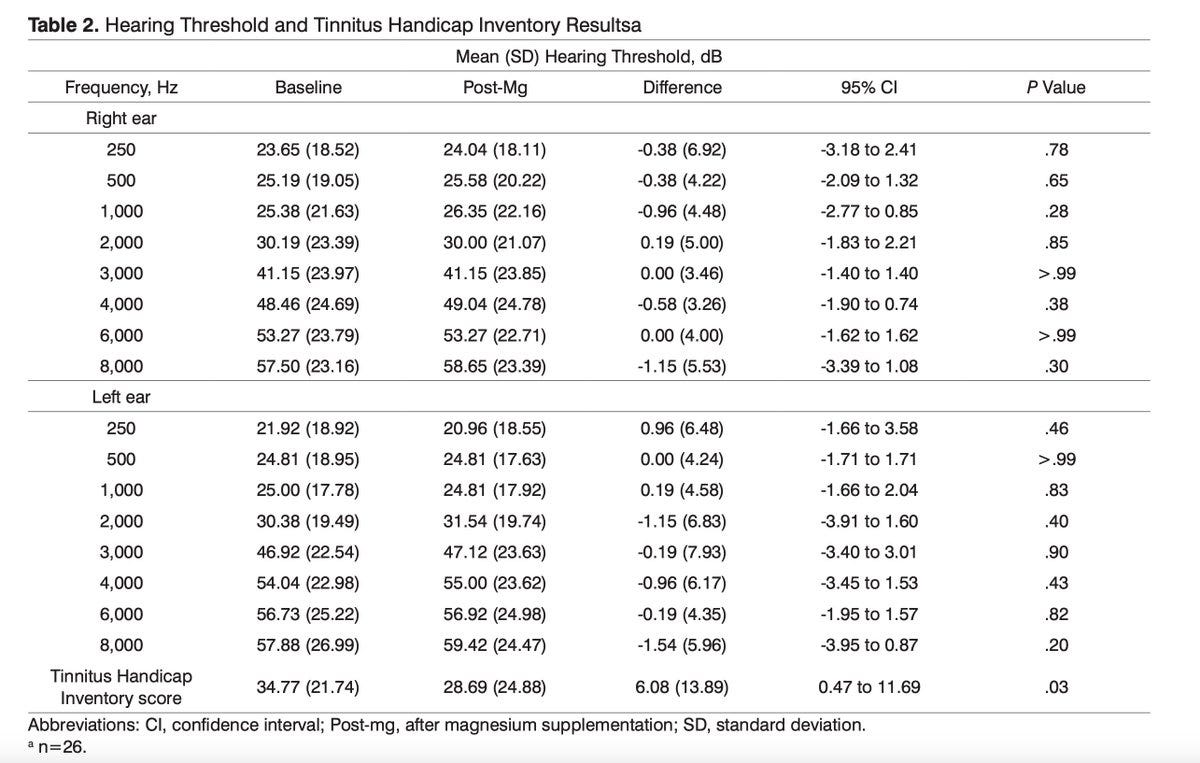
Even tinnitus can be improved by magnesium.
This condition is be driven by the “hyperexcitability”of the auditory system,
which can be calmed with enough magnesium.
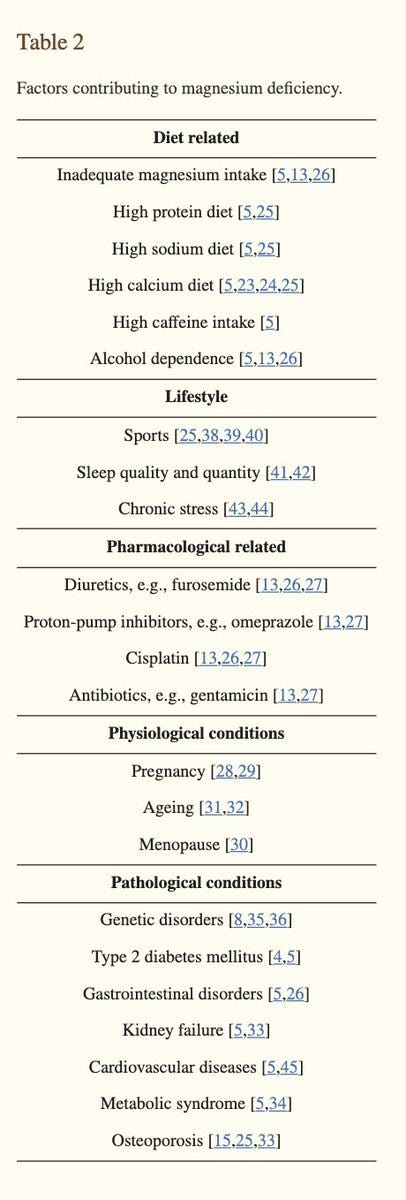
An estimated 60% of people in the US don’t get enough magnesium in the diet,
and more have low levels in the body.
This is because magnesium content in food has been declining,
and also because it becomes depleted with stress and various other factors.
Magnesium is most abundant in whole plant foods,
but the fiber and phytic acid in many vegetables and grains also prevent our bodies from absorbing it.
Vitamin D does the opposite, promoting its absorption.
Seafood is a solid source.
Mineral waters are another good source.

SUPPLEMENTING MAGNESIUM:
There are multiple forms, all with different levels of absorption.
In general:
➥ Oxide
➥ Citrate
➥ Sulfate
➥ Chloride
tend to be more poorly absorbed, or can lead to loose stools.
BUT
➥ Glycinate
➥ Taurate
➥ Gluconate
➥ Malate
are much better.
It is best to start at a lower dose (~100 mg of elemental magnesium) and increase thereafter, as it is possible to get loose stools from any form with too much.
Personally, I use a magnesium glycinate powder, I’ll typically have 200-400 mg daily, but I’ve had over a gram on very strenuous days.
Take it away from any calcium rich foods or supplements, or any fiber rich foods.
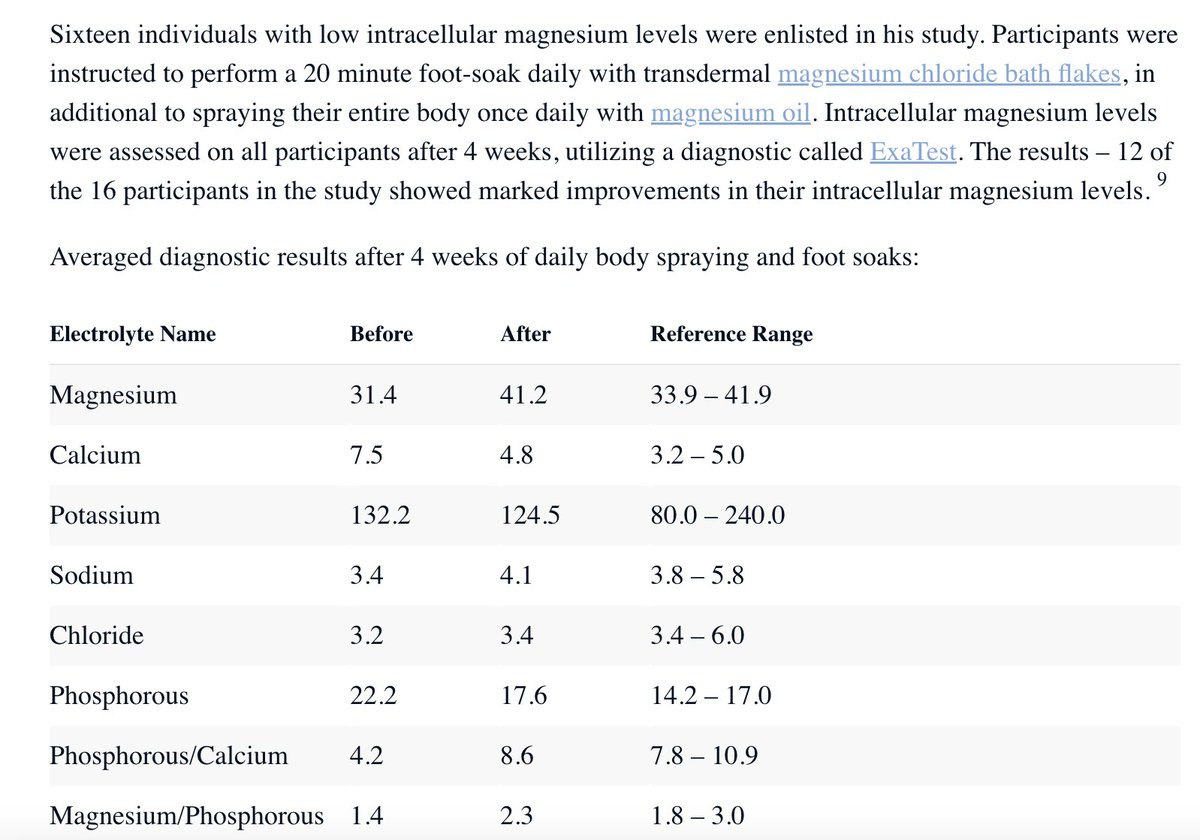
You can also do transdermal magnesium.
A foot bath of magnesium chloride for 20 minutes daily was shown to increase magnesium status.
I think this is a good addition to some oral supplementation.
Allegedly cortisol increases with age, one sympton is visceral fat. One week on mag glycinate before bed in sour cherry juice has given me the best sleep i have had in years.
This is true. It works for me. It helps lower my sciatica pain and helps me get quality sleep.