
The Complete Guide to Fixing Your Metabolism
Literally, everything you need to know

First off, what is metabolism?
We will be focusing on energy metabolism, though there are a ton of other types of metabolism.
This is the process by which your body takes:
◇ Carbs
◇ Protein
◇ Fat
and turns them into energy (ATP).
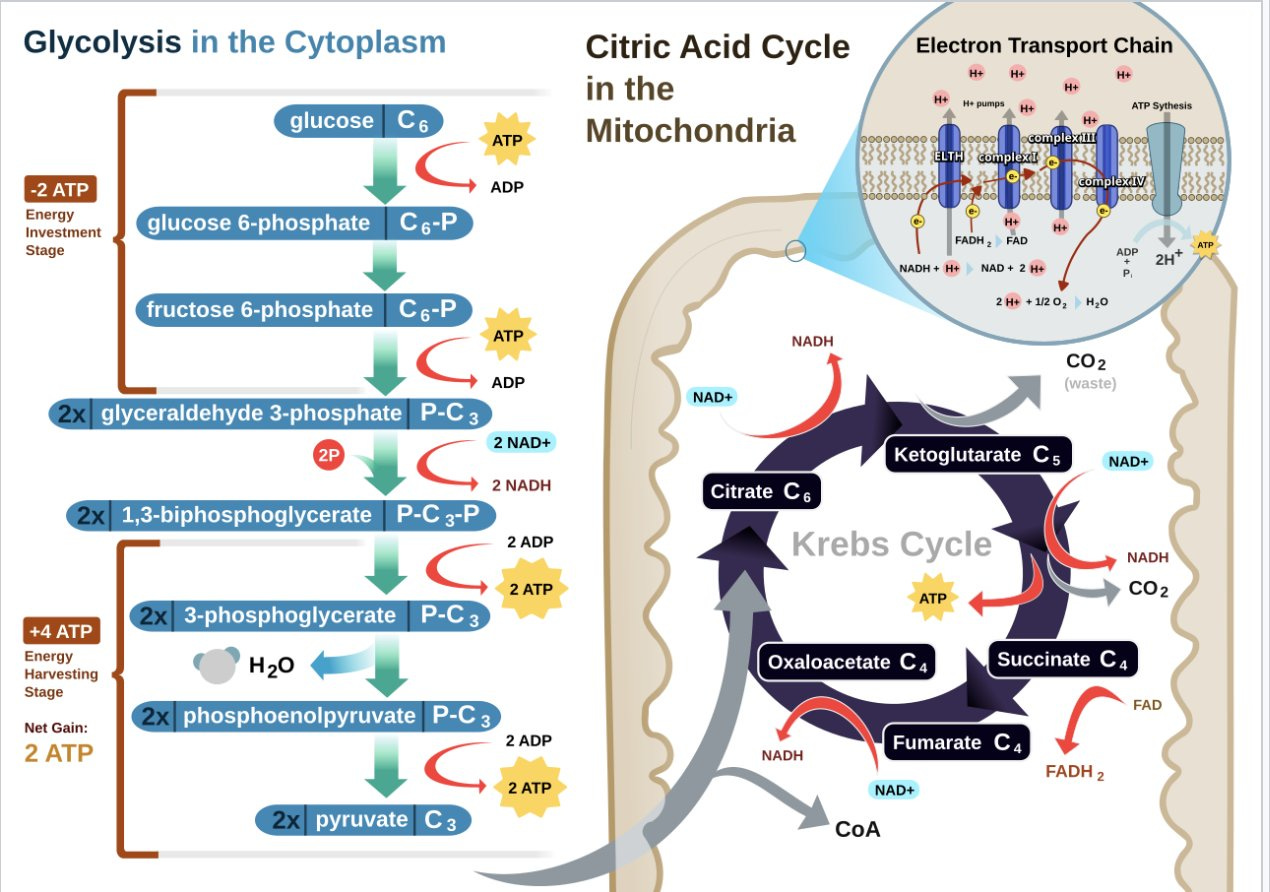
We break these molecules down, piece by piece, extracting energy at every step until nothing is left.
But actually getting all the way from point A to point Z can be difficult, and at every step, something can go wrong.
If that happens, you aren’t getting all of the energy out of your food.
Your metabolism is thus impaired.
Why should you care about your metabolism?
Well, besides obvious things like not being able to lose weight or being tired all the time, an impaired metabolism can cause literally any issue with your health.
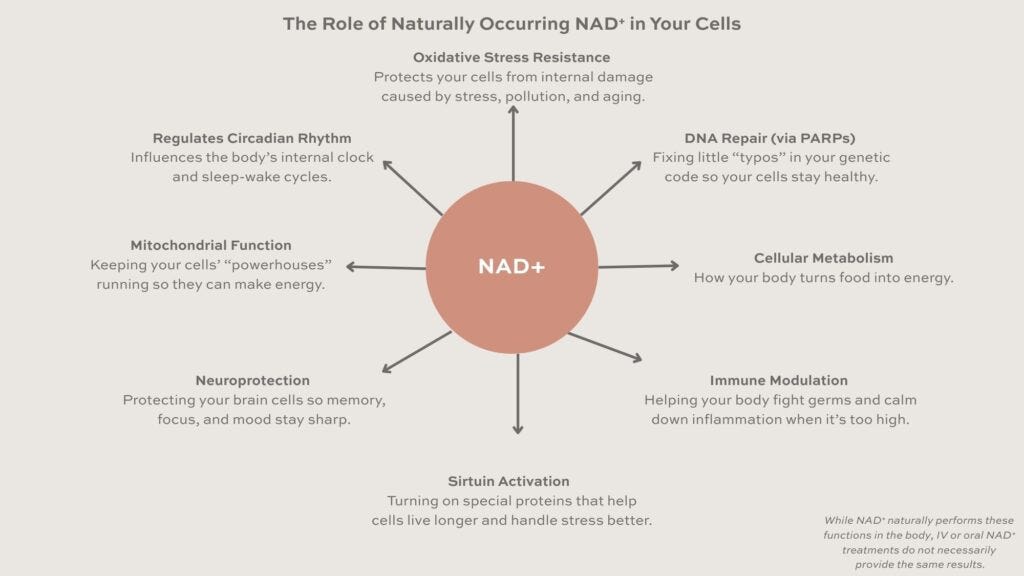
That’s not an exaggeration. The energy produced from this process (ATP) and other intermediates (such as NAD+) are used for nearly every function within the cell.
They help synthesize hormones, control the expression of genes, determine the inflammatory tone of immune cells, and, well, keep you alive.
The consequences of an impaired metabolism can result in the production of reactive oxygen species (think like free radicals) that damage cells and can alter signaling within cells.
So, literally, no matter what your health goal is, your metabolic function is of the utmost importance.
We can tackle carbs first.
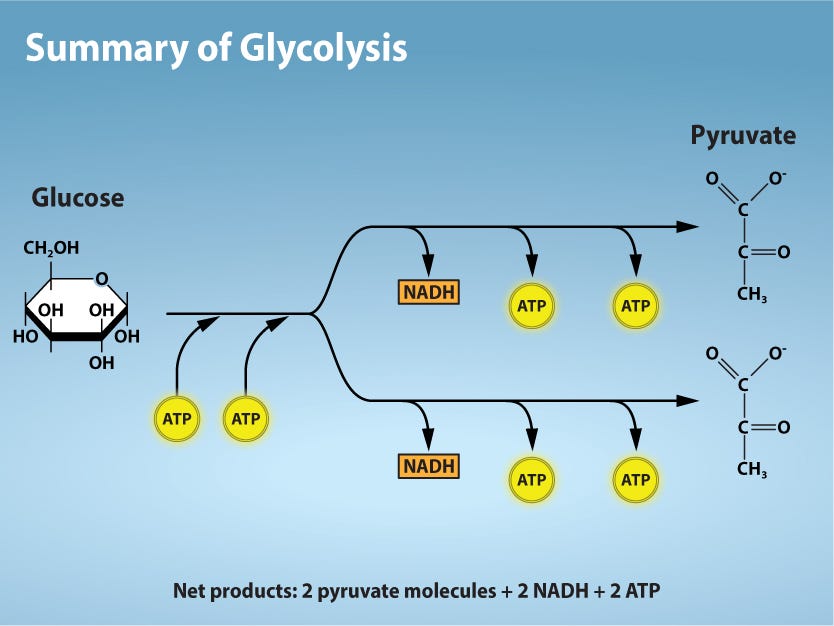
Glucose is the primary carbohydrate - starch from things like rice and potatoes are chains of glucose.
Glucose is broken down via a process called glycolysis into a molecule called pyruvate.
Other carbs like sugar or lactose are metabolized into this same pathway.
Pyruvate then enters what is known as the Krebs cycle, which we will address later.
Enzymes in this glycolysis REQUIRE:
◇ MAGNESIUM above all
◇ Potassium
◇ Vitamin B3 (or other NAD+ precursors)
and is INHIBITED BY:
◇ Fluoride
◇ Oxalate
◇ Arsenate / arsenic
◇ Lead
◇ Mercury
◇ Cadmium
◇ Copper (excess)
◇ Alanine
◇ Acidity
◇ Fat oxidation
◇ Mycotoxins (like aflotoxin B1)
There are other ones too - but these are some of the most important.
Then we have pyruvate.
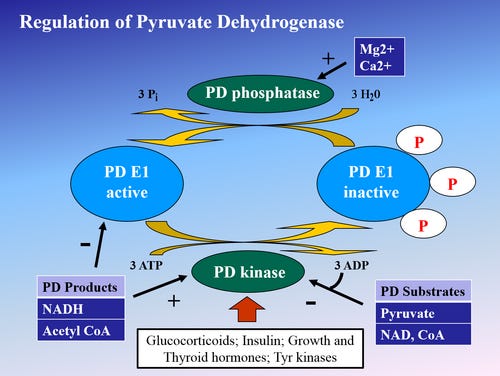
Pyruvate dehydrogenase or PDH is the enzyme that links carb metabolism to the more centralized hub of the Krebs cycle, converting it into a molecule known as acetyl-CoA
This enzyme REQUIRES:
◇ Vitamin B1
◇ Lipoic acid
◇ Vitamin B3 (or other NAD+ precursors)
◇ Vitamin B5
◇ Magnesium
◇ Calcium
and is INHIBITED BY:
◇ Arsenic
◇ Mercury
◇ Various mycotoxins
Pyruvate can also enter the Krebs cycle via an enzyme called pyruvate carboxylase. This enzyme REQUIRES:
◇ Biotin
◇ Magnesium
◇ Manganese OR zinc
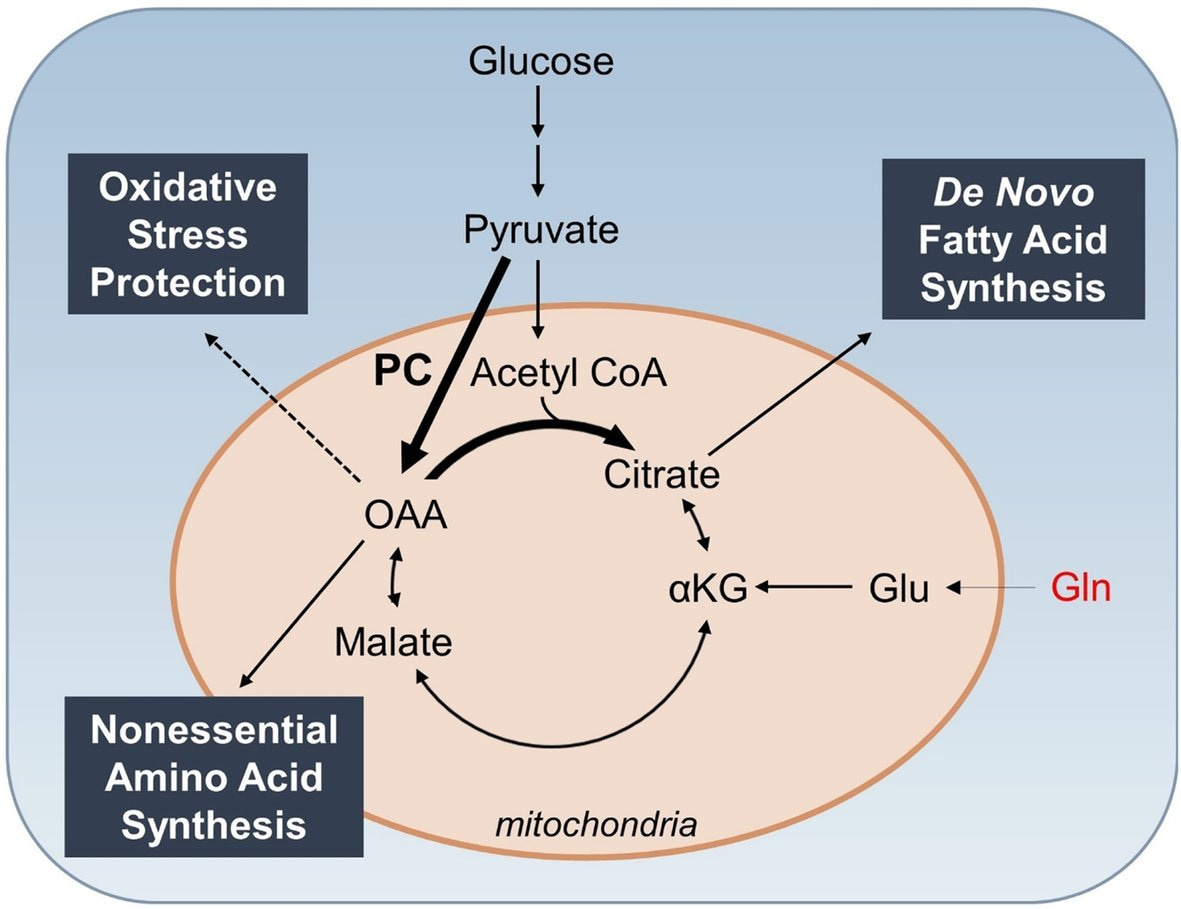
What’s interesting is that FRUCTOSE, a component of SUGAR, actually activates various enzymes in glycolysis, and can activate PDH.
This is why I am a fan of including sugars in the diet along with starches.
I’ve detailed that below:


On to fats.
Fats get broken down into acetyl-CoA, which enters the Krebs cycle.
This happens with a process known as beta oxidation.
Beta oxidation REQUIRES:
◇ Carnitine
◇ Vitamin B2
◇ Vitamin B5
◇ Vitamin B3 (or other NAD+ precursors)
◇ Iron
and, broken record time, is inhibited by various heavy metals + mycotoxins.
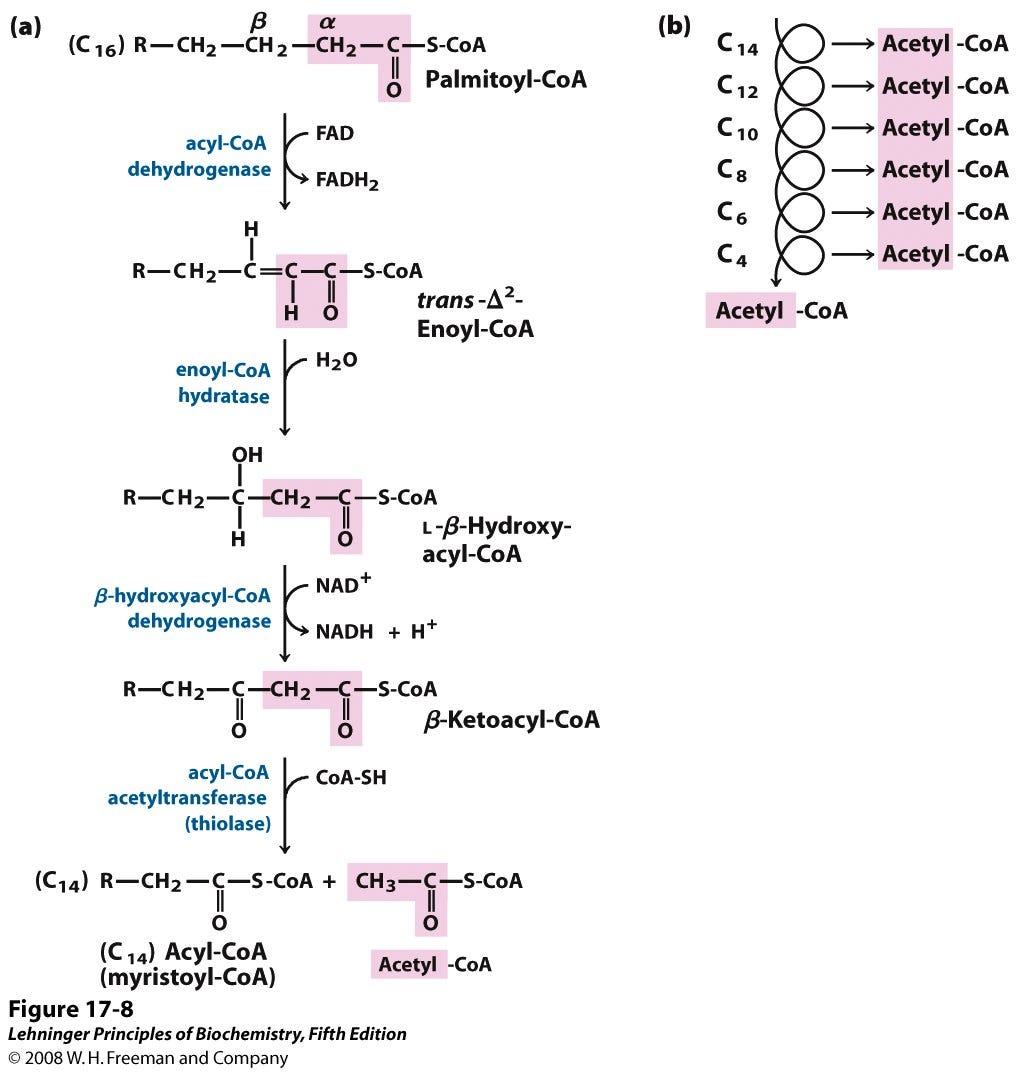
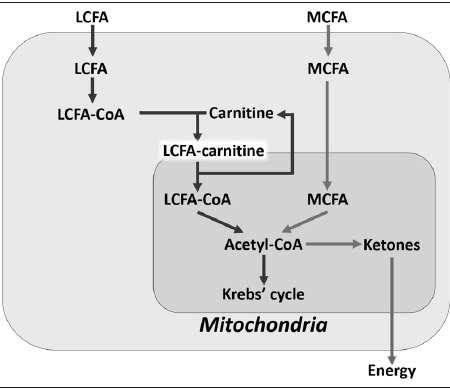
Medium chain fats can actually bypass the main regulatory step in fat oxidation, the carnitine shuttle.
This means that there is much less of a break on how much of them you can burn.
These types of fats are also much less likely to be stored.
Short chain fats are mostly produced in the gut, with some smaller amounts in dairy fat.
Coconut oil is by far the best source of medium chain fats.
Finally we have amino acids from protein.
These are the least likely to be converted into energy, but are still used.
There are a ton of amino acids, each having their own unique metabolism.
Some of them break down into acetyl-CoA, but in general they all break down into different compounds that can then enter the Krebs cycle (promise we’ll get there soon).
The KEY nutrients:
➜ Vitamin B6
➜ Vitamin B1
➜ Vitamin B2
➜ NAD+
➜ Vitamin B5
➜ Biotin (B7)
➜ Lipoic acid
➜ Folate (B9)
➜ B12
➜ Iron
➜ Magnesium
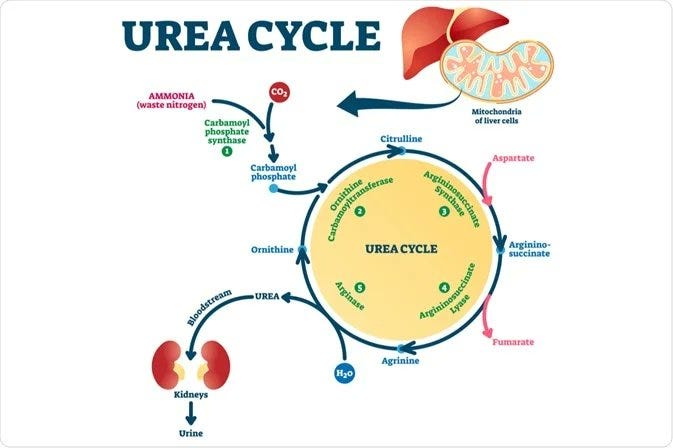
Amino acids from protein ALL also produce AMMONIA.
Ammonia is an energetic toxin.
It impairs energy production at every level, mainly by disrupting the Krebs cycle.
You can test for ammonia pretty easily on labs.
To clear out ammonia, the body needs the urea cycle, dependent on:
☆ ZINC
☆ Magnesium
☆ Manganese
So we’ve gone over how these macros get broken down and enter the Krebs cycle, but what exactly is that?
Essentially, it’s taking those molecules (primarily acetyl-CoA) and extracting more energy out of them, but this time it is all centralized and all of the components of the cycle must be there for it to work properly.
You can think of it almost like the highway - sure we all have our unique local roads we need to drive through but if we’re all going to the same place then we’ll converge on the highway.
This part uses NAD+ (or FAD) to take electrons from these molecules - resulting in NADH (or FADH2), which can then get used in the final step to produce ATP.
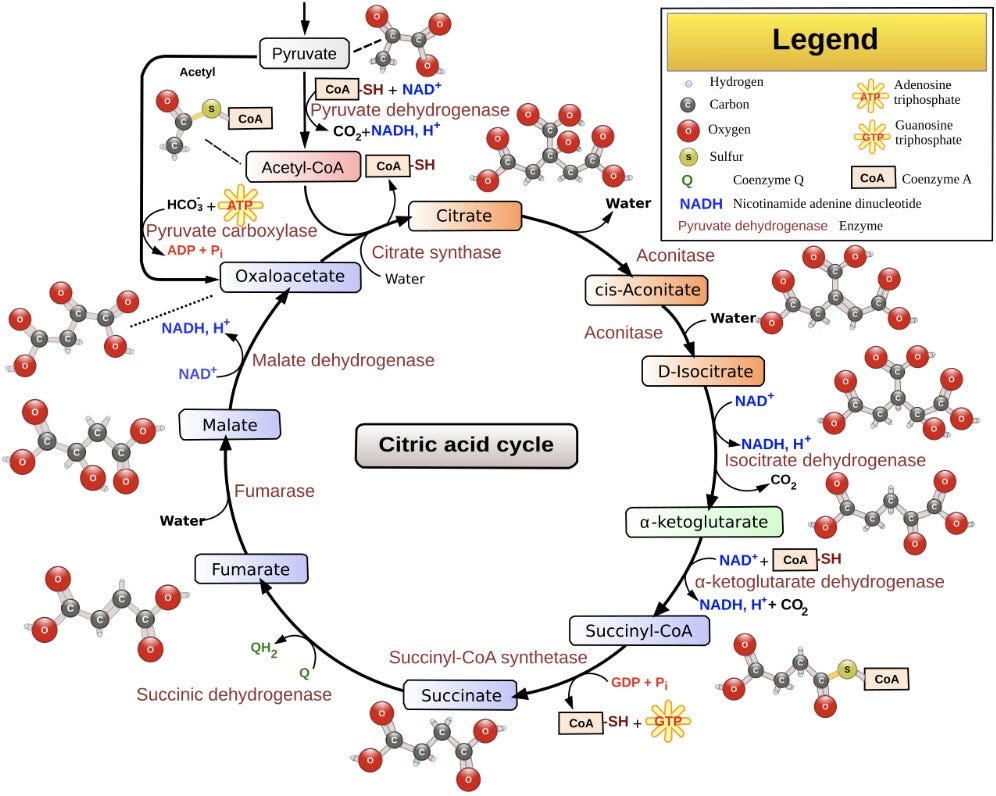
The NUTRIENTS for the Krebs cycle:
➤ NAD+ (from B3 or other NAD+ precursors)
➤ Manganese
➤ Magnesium
➤ Lipoic acid
➤ Iron
➤ Riboflavin (B2)
➤ Thiamine (B1)
Once again, the primary poisons are heavy metals and mycotoxins, though there are other environmental factors too.
Now, onto the electron transport chain, the final step of energy production.
This is where NADH and FADH2 get used to produce real chemical energy in the form of ATP.
This is done with the use of multiple protein complexes.
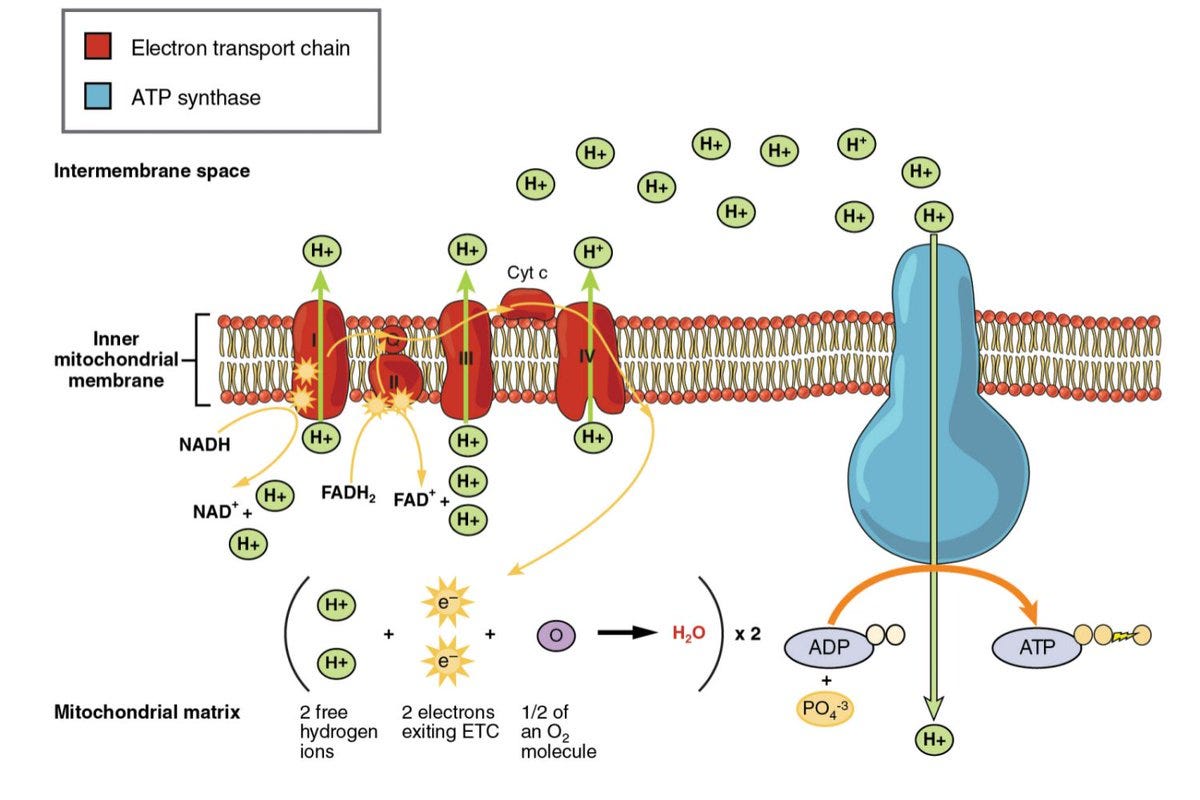
The key nutrients here are:
➜ Riboflavin (B2)
➜ Iron
➜ Sulfur
➜ CoQ10
➜ B6
➜ Glycine
➜ Copper
➜ Magnesium
With some key inhibitors being:
➜ Pesticides
➜ Mycotoxins
➜ Heavy metals
➜ Cyanide
➜ Carbon monoxide
➜ Hydrogen sulfide
➜ Metformin
➜ Berberine
Now, what is vitally important to understand is that this is all one big system.
If one part of the process is not working properly, it backs up the rest of the chain, because every reaction is dependent on the amount of these molecules.
If we go back to our highway analogy, if the traffic is bad enough on the highway it will start to cause traffic buildup even on the local roads.
Let’s say malate dehydrogenase is inhibited for some reason. This doesn’t just impact this step, since it is a part of a cycle.
This means malate builds up in the mitochondria. More malate building up means fumarase becomes inhibited, because fumarase produces malate inversely proportional to how much malate there already is.
It also means every step prior becomes less active, because there is a buildup of that malate stalling everything else.
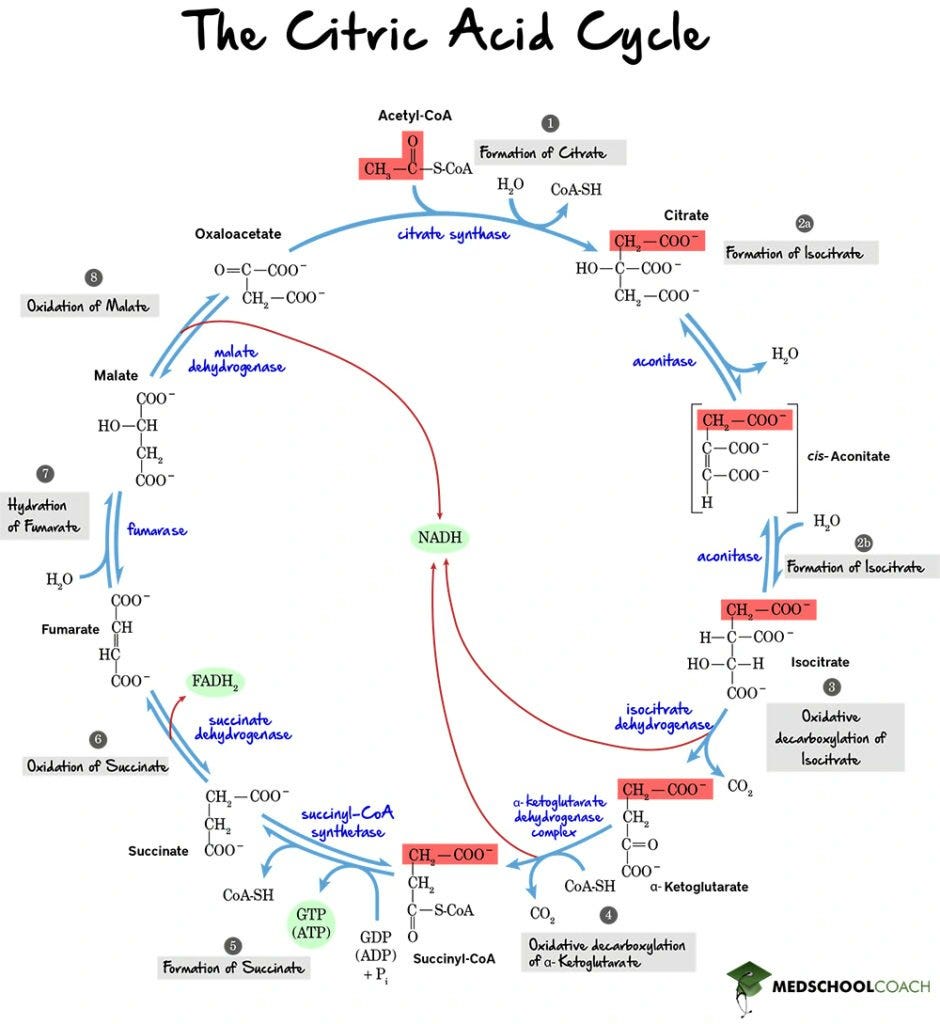
That means that if you have even one of these steps inhibited, the entire energy production process comes crashing down.
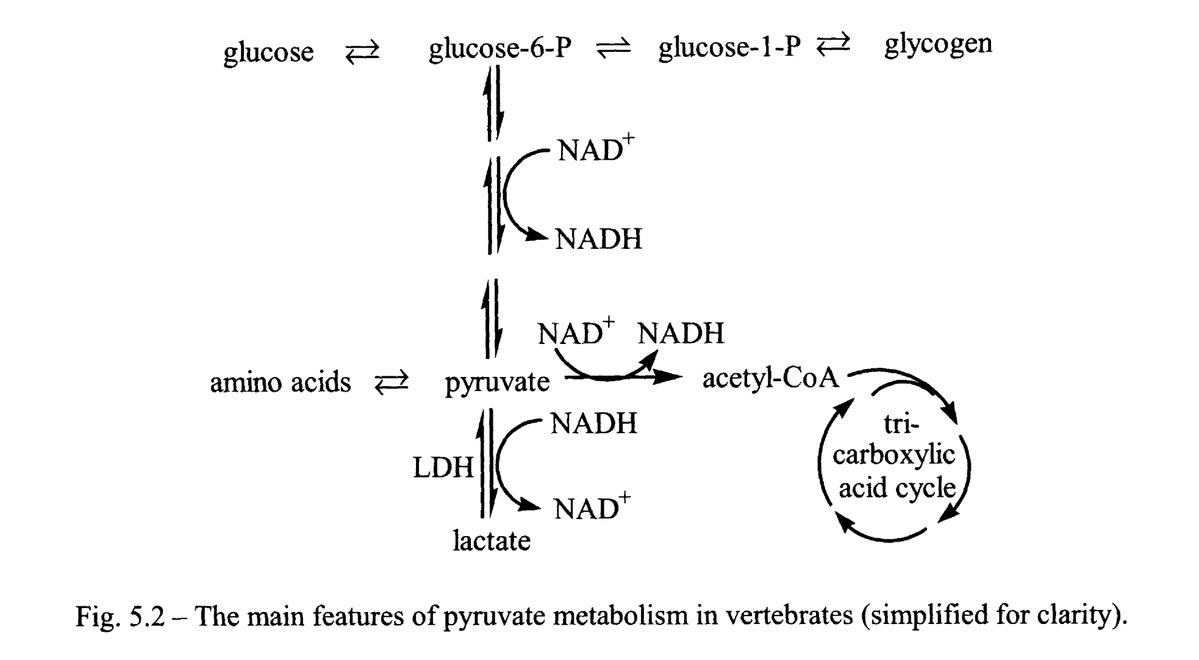
One of the clearest examples of this is the NAD+/NADH ratio.
The early steps of energy production need NAD+, but NAD+ can only be generated by the last step (electron transport chain).
If the ETC isn’t working, then the rest of the process won’t either.
One of the big players here is genetics.
Your genes are the blueprint for the enzymes and proteins involved in these pathways.
If you have bad genes, even at just one step, things can go wrong.
Even if you have “normal” genes, say you have one “good” copy and one “bad” copy of a gene, that still can result in a deficiency of the enzyme.
Which means you need to double and triple down on making sure that enzyme works right.
For example, a common genetic issue is a deficiency of MCAD - an enzyme that helps break down fat.
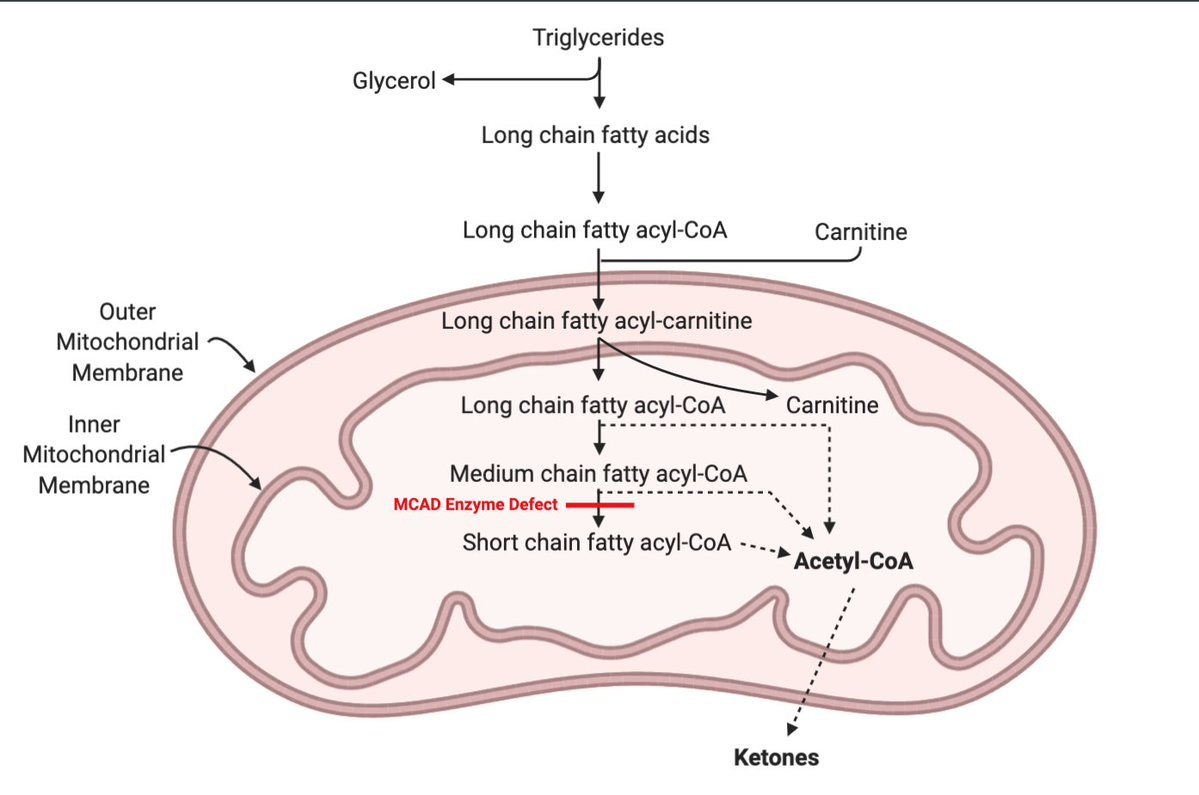
For someone with this - they are best served to eat a lower fat diet, avoid fasting, and to add extra riboflavin since the enzyme requires that.
This approach relieves pressure off of that pathway and supports the function of it.
We also must understand the RANDLE CYCLE, which really isn’t a cycle at all.
Essentially - the cell’s breakdown of glucose OR fat are inhibited by the other.
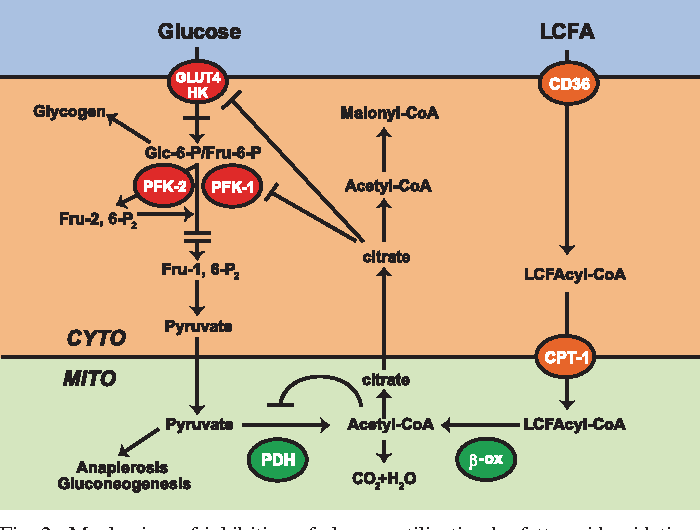
Does this mean you must eat low carb or low fat? NO.
BUT it does suggest if you are struggling with metabolic issues, then either of these approaches can help.
And we do see that in studies - for example I wrote this thread about how low fat high carb diets can improve insulin resistance and weight loss:

Another important thing to consider is the DELIVERY of nutrients to your cells through the blood.
This is governed in large part by two things:
◇ Blood flow
◇ Carbon dioxide
Carbon dioxide helps push oxygen into your tissues, where it is needed for metabolism in the electron transport chain. I’ve written more in detail on the benefits of having higher carbon dioxide plus how to do it here:

I’ve also covered how to improve blood flow here:

The lymphatic system is also important here, since it helps reduce inflammatory tone (will discuss soon) and it’s needed for proper blood flow. Your guide to a simply lymph optimization routine here:

Now, of all of the things that can inhibit your energy production, perhaps THE MOST important is oxidative stress.
Oxidative stress is the overproduction of reactive oxygen species (like free radicals) relative to our antioxidant defenses against them.
Oxidative stress will:
➜ Inhibit nearly every enzyme in energy production
➜ Destroy nearly every component in the cell needed for it
So yeah. It’s a big deal.
But it’s a two way street - poor antioxidant defense ruins energy production, and poor energy production causes more oxidative stress.
You must focus on both.
Here is my comprehensive guide to optimizing antioxidant defenses:

Most of what we have covered so far is ensuring your enzymes in energy production are working properly.
However - we also can control the amounts and activities of these enzymes, too.
The body does this via a few main proteins:
◇ AMPK
◇ Sirtuins
◇ PGC1α
◇ PPARs
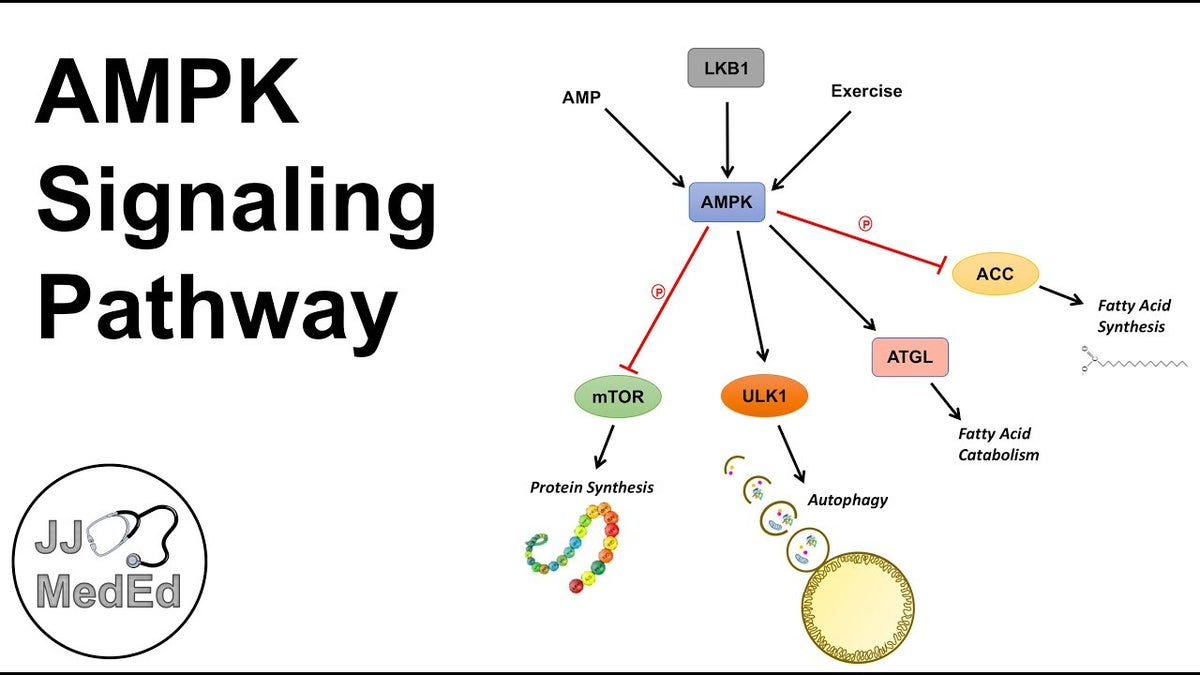
All of these either act to increase the body’s production of these energy metabolizing enzymes,
increase the activity of relevant enzymes,
or stimulate the production of new mitochondria
It would be impossible to list everything here for each of these master controllers, but I’ll list some good ones:
AMPK:
◇ Sauna / heat
◇ TUDCA
◇ Aspirin
◇ Taurine
◇ Collagen
◇ Glutathione
◇ Vinegar
PGC1α:
◇ CoQ10
◇ GABA
◇ Caffeine
◇ Vitamin D
◇ Glycine + NAC
◇ Everything in the AMPK section (AMPK activates PGC1α)
PPARs:
◇ Coffee
◇ DHEA
◇ Vitamin E
◇ Astaxanthin
Sirtuins are primarily activated by NAD+, so in addition to keeping the mitochondria running well (discussed above):
◇ Niacinamide
◇ Vitamin B3 (niacin)
◇ Nicotinamide mononuceotide
◇ Nicotinamide riboside
Now, we must understand some of the most systemic and prevalent inhibitors of your metabolism.
The first we need to tackle is INFLAMMATION.
Inflammation not only directly contributes to oxidative stress (and vice versa),
but the cytokines released from inflammation can also be direct inhibitors of mitochondrial energy production at multiple levels.
So what causes inflammation? Well there are two key persistent causes:
1. A high omega 6 intake (exacerbated if high relative to omega-3)
2. Gut dysfunction
The former both contributes to inflammatory breakdown products AND is a direct precursor to inflammatory molecules.
The latter is a reservoir of endotoxin or LPS, the main inflammatory trigger throughout the body.
The gut should thus be an absolutely central focus. Here is my master guide to optimizing gut health:

For more on the connection between the gut and metabolism, check out this thread:

Let’s talk about hormones, because they control a lot.
While many people think of insulin as a “fat storing hormone,” the truth is it’s really more of a hormone that signals energy abundance.
That means it also helps us METABOLIZE energy.
Insulin:
◇ Allows carb uptake into cells
◇ Increases the amounts of various energy producing enzymes
The problem comes when you are insulin resistant.
You cannot churn out energy properly because you need insulin signaling for cells to get that energy.
Your insulin becomes elevated as a result, and your body tends to be in both a constant growth mode, which promotes things like fat production.
Yet, you still lack the pulses of growth signaling needed for proper metabolism and to create new mitochondria, as well as to control the rest of your hormones.
You get the worst of both worlds.
Here is my master thread on insulin resistance:

Thyroid hormone is literally THE master metabolic hormone.
In terms of increasing your metabolism, nothing will do it like thyroid hormone.
Thyroid hormone acts on:
◇ Extracellular receptors
◇ Cytosolic receptors
◇ Nuclear receptors
◇ Mitochondrial receptors
To stimulate the total metabolic rate, increase heat production, and increase the activity + amount of your mitochondria and other enzymes we’ve discussed.
Yeah, very important.
You can directly supplement thyroid hormone, but the key nutrients here are:
☆ Selenium
☆ Tyrosine (from protein)
☆ Zinc
☆ Vitamin D
☆ CARBS
Luckily for you I’ve done several pieces on the thyroid hormone optimization.
This is the master one. There’s a lot to the story here:

Closely related to insulin and thyroid is the hormone LEPTIN.
Leptin is released from your fat cells, depending on how big they are.
It goes to your hypothalamus and:
1. Suppresses appetite
2. Increases your metabolic rate (thyroid hormone + adipose browning, we’ll address the later later)
In a healthy person, you have enough leptin and it signals well.
However, if you are:
1. Overweight / obese
2. Underweight / too skinny
3. Just dieted down from being overweight / obese
4. Undereating calories
You’re likely to either have leptin resistance or inadequate leptin production.
Eating carbs also stimulates the secretion of leptin, as do omega-3s.
That means your metabolism will be slower.
I also did a leptin master thread, which you can check out here:

We need to talk about cortisol, too.
Cortisol is the primary stress, hormone, and it has several important impacts on your metabolism when elevated chronically:
➜ Catabolic - breaks down important tissue, which can signal inflammation
➜ Impairs mitochondrial function
➜ Promotes fat storage
➜ Stimulates ROS production
➜ Causes insulin resistance
Yeah, not great.
Controlling this is going to be one of your primary objectives.
I’m sure you’re stunned at this point, but I’ve also done a master thread on controlling your cortisol levels:

How about sex hormones? They certainly play a role here too.
3 main ones to focus on:
1. Testosterone.
Even for women, testosterone is the most important sex hormone for metabolism.
➥ Increases muscle mass (incredibly important, discussed below)
➥ Increases mitochondrial density / gene expression
➥ Increases glucose uptake
➥ Stimulates fat burning
2. Estrogen
When it is out of balance with progesterone it can lead to all sorts of problems, but it is important for metabolism in multiple ways:
➥ Improve antioxidant gene expression
➥ Increases metabolic rate
➥ Enhances mitochondrial respiratory chain assembly / gene expression
➥ Activates fat / glucose metabolizing enzymes
➥ Anti-inflammatory roles
among other important metabolic effects. One shouldn’t focus on raising it unless within menopausal therapeutic window, but it is important in that context. In general, if you’re on top of your T, you’re probably getting plenty of estrogen.
3. Progesterone
Less controlling than the prior two, but progesterone still serves an important role in increasing heat production and also has some protective roles in the mitochondria.
The importance of muscle cannot be understated when it comes to fixing your metabolism.
While you may find it to be surprising that people who are overweight and obese actually tend to have more muscle than lean people, muscle has a few key of important protective properties for your metabolism:
1. Contributes heavily to your total metabolic rate. Muscle burns a lot of energy (especially fat) just sitting there.
2. It is the largest site for glucose metabolism in the whole body, by far (estimated >75%)
These two things mean muscle helps you clean up extra fatty acids in the blood, which allows your other cells to metabolize glucose properly.
It also helps a ton in alleviating whole body insulin resistance.
LIGHT is another primary determinant of your metabolism.
Red, near infrared and infrared light in particular.
What these wavelengths do is activate a key protein in the mitochondrial electron transport chain, allowing them to churn out energy more efficiently.
Sunlight is very rich in these types of light. Getting full body sun exposure is one of the best things you can do for your metabolism.
In fact, red light within minutes can raise the total metabolic rate.
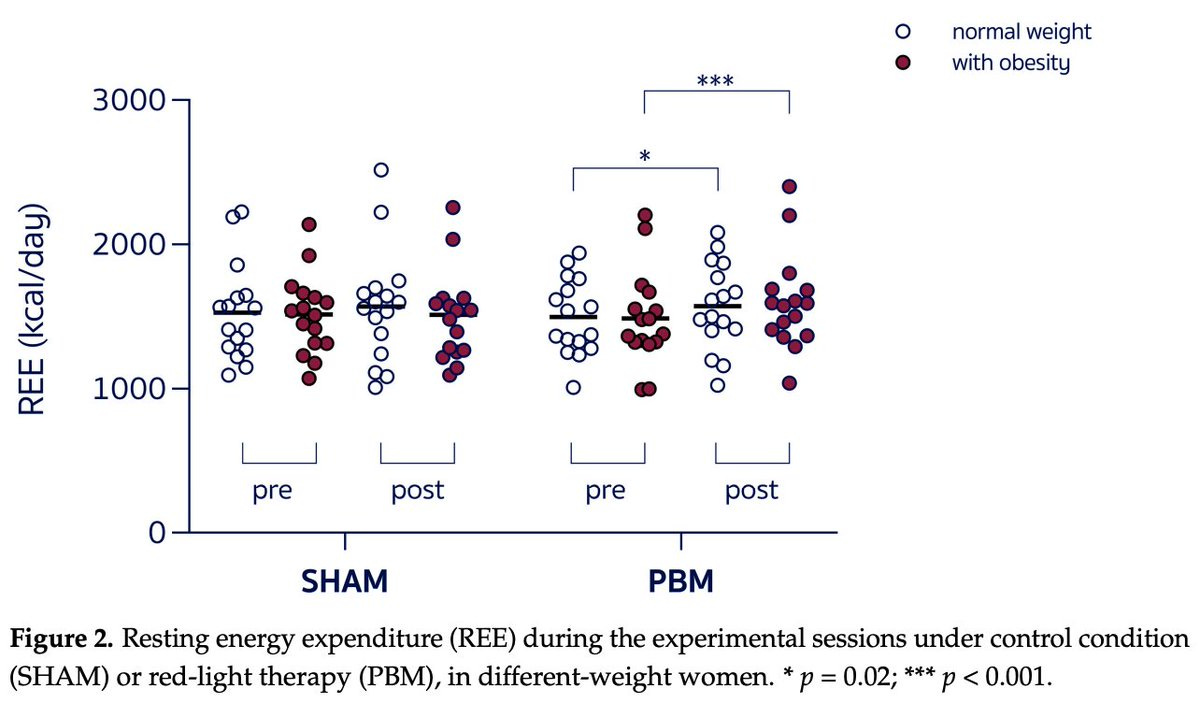
Red light can also acutely improve insulin sensitivity.
Ultraviolet light also has protective effects.
Blue light, when put on the body, ALSO stimulates the metabolism.
Speaking of light, we MUST cover the circadian rhythm.
Bright morning light is the primary signal that helps coordinate our circadian rhythms throughout the day.
Why is this important? Well, your cells have circadian responsive proteins that control gene expression, about 20% of all genes to be exact.
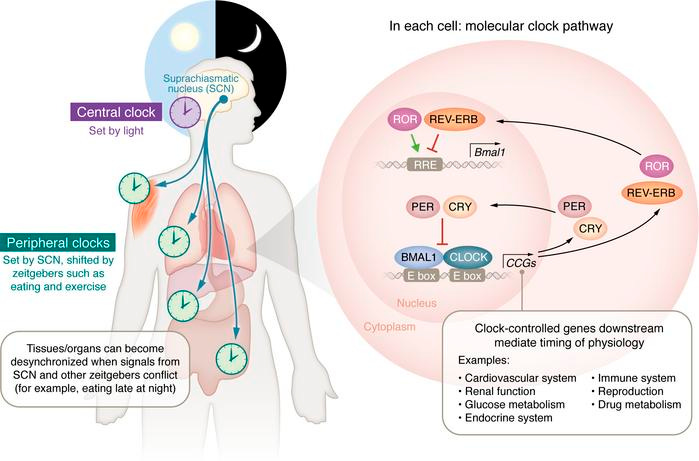
Many of these are metabolic genes. If your circadian rhythm is off, then your metabolism is going to suffer.
Not to mention, all of the hormones we discussed previously are under the circadian rhythm control.
So - get out in the sun in the morning.
Also, keep your eating + sleeping times consistent and based around the sun.
Get your body on its natural schedule.
A HUGE part of determining your whole body metabolism is your BROWN FAT.
Essentially, most of your fat is white, which is not very metabolically active.
Then you also have brown fat, which is brown because of the mitochondria which accumulate in it.
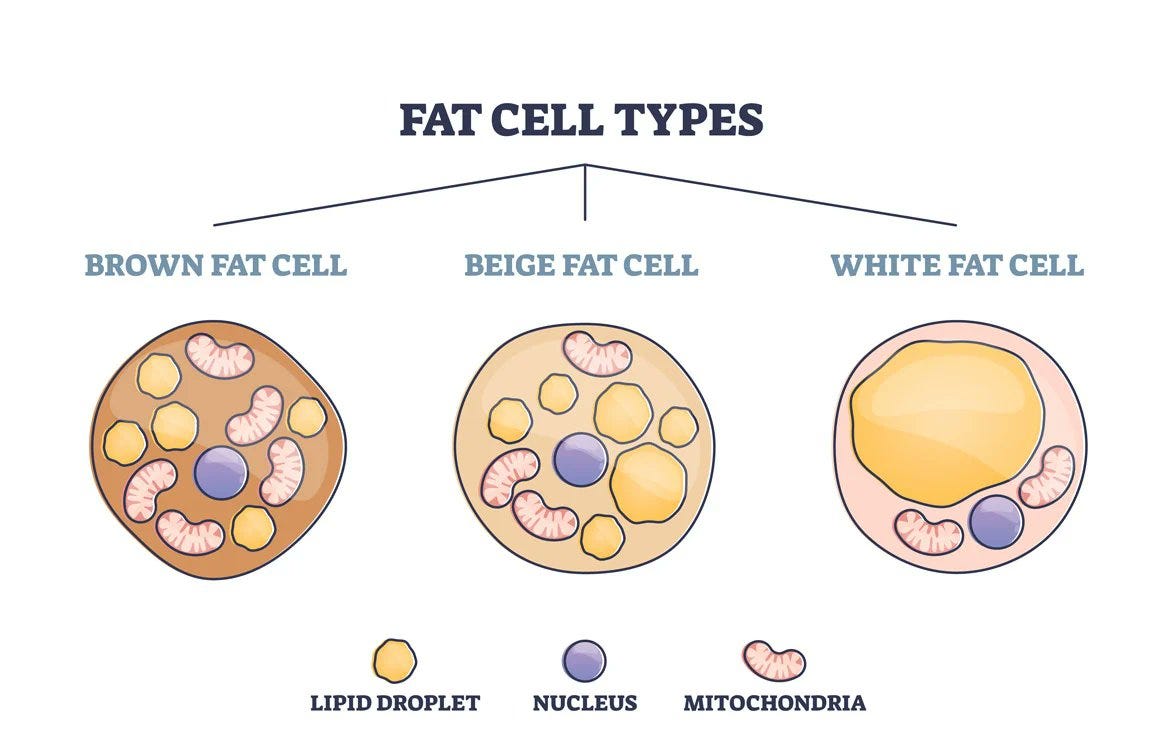
This type of fat generates heat + energy and causes you to have a greater total metabolic rate, and also become much more resistant to weight gain.
Some tools that help increase conversion of white to brown fat:
➜ Vit D
➜ Caffeine
➜ Thyroid
➜ Sugar
➜ Vinegar
➜ TUDCA
➜ Blue light
➜ Butyrate
➜ Taurine
➜ Omega-3 fats
➜ CLA / C15 (dairy fats)
➜ Vit A
➜ Coconut oil
Sleep is very important. I’m sure I don’t need to convince you of the fact that sleep is important for your health, so here are some relevant posts on improving it:

Another one here:

If you are interested in getting more information on overall mitochondrial health, I’ve gone more into that here:

Finally, we should talk about testing.
Testing can be very useful and it can also be incredibly misleading.
You need to understand what you are measuring, and how it relates back to your metabolism.
You can measure various intermediates of glycolysis, amino acid breakdown and the Krebs cycle in urine and blood to get a better idea.
However, these measures do not always represent with what is going on in a specific tissue. They simply measure the levels in blood or urine.
I’ve done an overview on targeted metabolic testing here below as a good walkthrough:

Interesting. I don't have X, so can't follow those threads. Have you covered them all, or plan to, here at Substack?
Please cover the Thyroid thread!!